
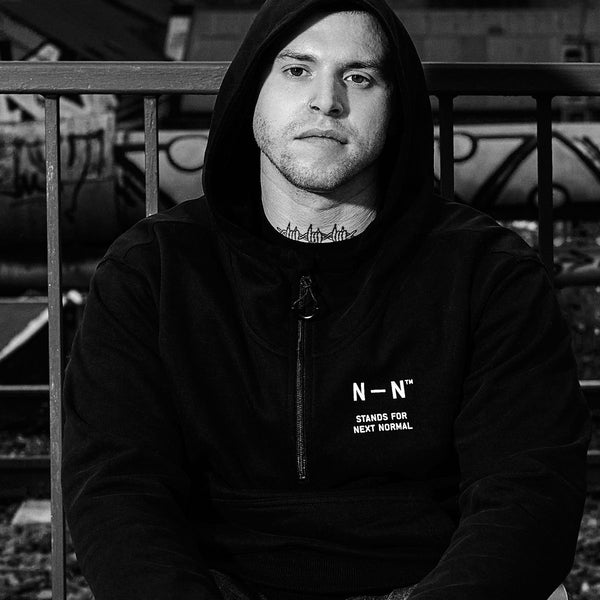
Mario Kemenc: „Barrieren kenne ich spätestens, seit ich in Deutschland bin.“

Question: How did NN start?
Mario: Our son Niki has struggled with getting dressed forever. Tying shoes, doing up his fly. And above all with his beloved hoodies. But for us that was, how do I put it, normal. Can't do nothing. Then at some point, through him, it hit me: This doesn't have to stay normal.
He gave off this pride whenever disabled people, for a change, were shown as cool, just like that. Not as victims, not as inspiration porn. Real, the way you actually feel. As a natural part of a bigger subculture instead of somewhere on the edge. It was impressive how, at seven, he already understood so much of what's going wrong in society, just by instinct.

Question: Your background isn't exactly fashion.
Mario: NN is more than fashion. Until my son was born, I never really thought about disabled people and their fight against barriers either. But I knew my own. As a war refugee, always one step away from deportation, my whole youth. Or more generally as a foreigner, a “Kanake” in Germany, which is the slur they had for people like me. Broke as fuck. Not being allowed on the class trip because you weren't allowed to leave the state. Parents who couldn't stand up for you at school because they didn't speak the language.
Long story short: I was taught to be humble and keep my mouth shut. Be grateful for what you get. Until I discovered the power of 2Pac and HipHop at eleven. From then on, I wasn't ashamed anymore of standing on the edge of society. Is that comparable to the discrimination and exclusion disabled people run into far too often? Not one to one, but somehow, in my heart, it is. And what's in my heart, I have to express.
Ableismus
Ableismus ist die Auf- und Abwertung von Menschen nach den Fähigkeiten, die man ihnen zuschreibt. Der Maßstab ist ein körperliches und psychisches Ideal. Wer davon abweicht, wird abgewertet. Oder übertrieben gefeiert, weil er etwas „trotz“ Behinderung schafft.
Source: Leidmedien.de
Question: And the best way to express yourself is fashion and streetwear?
Mario: Shit, no. I actually have no clue about it. Southpole and Fubu were brands for the suburban gangsters. We had to work our way up, from Red Cross donations and second hand via Deichmann to the first fake Versace tracksuit. Maybe that's why I never cared about fashion. Luckily, at NN the style comes from Josefine and Ognjen. Josefine above all, without her the products wouldn't exist like this.
What comes from me is more the vision: The feeling should be as strong as Mario Balotelli's legendary pose after his goal against Germany.

Question: Sounds nice and romantic, all of it. But this market is damn hard, you know that?
Mario: Stand for something or die for anything. It won't be easy. But we know why we're doing it. NN has potential. How much, we'll find out now. And if we fall, we get back up. Also something my son mirrors back to me day after day. We don't have to get rich with NN. It's about telling a story. And giving a few people something they're simply missing.
What I'm personally more afraid of: That it comes across too commercial, too sellout. Like “Here's a guy trying to cash in on other people's disabilities.” So if something rubs anyone out there the wrong way, write to us. I take every message seriously.
Quote: “I also want to make people aware of ableism who would never have given it a thought otherwise.”
Question: Very open, these answers. You're really baring it all.
Mario: Yessir. The topic itself is too important. I want to give people out there something they can really identify with. And as I see it, that starts with them dealing with real people. Authentic characters, without a put-on influencer attitude. You can tell when someone is fake and putting on a show for their audience. There's no shortage of brands like that.
But I also want to make people aware of ableism who would never have given it a thought otherwise. And I'm convinced: That takes storytelling, entertainment. You only beat a Felix Lobrecht with a bigger mouth than his.
I was once part of a parents' initiative for inclusion. The question was how to get parents without disabled kids to join in too. My suggestion, “free beer”, got a lot of laughs. But I meant it.
More interviews
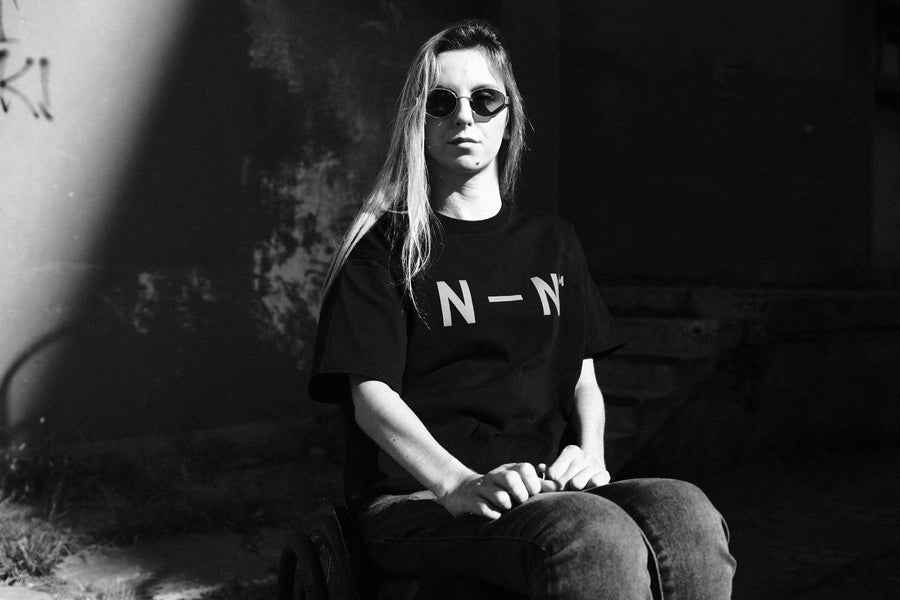
Milica Knežević
„Gut aussehen oder wohlfühlen? Ich will beides.“As a speaker, a model, a content creator, in the press and in life: From Serbia, Milica Knežević shows what everyday life in a wheelchair really looks like. And where society puts barriers in her way. On Instagram: @milica_knezevicRead the interview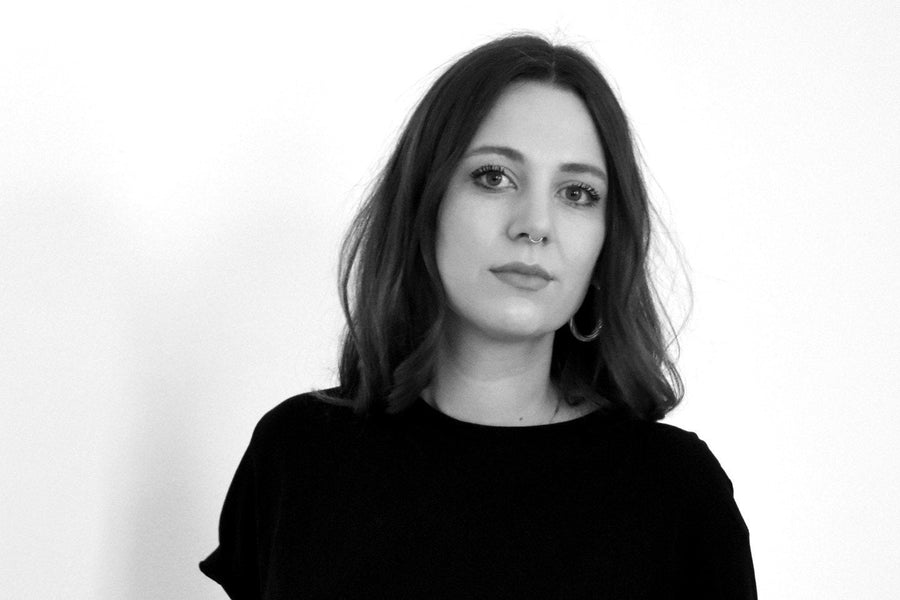
Josefine Thom
“It drove me crazy how incredibly limited the fashion on offer is.”MOB stands for Mode ohne Barrieren, fashion without barriers. Josefine Thom founded the label in Vienna before anyone was saying adaptive fashion. A conversation about wheelchair users from the smokers' corner, an industry that likes to talk about inclusion but doesn't like to pay for it—and why she keeps going anyway.Read the interview
No News, No Letter
Stay in the loop on NN: New products, events and behind-the-scenes stuff, you hear it first. Nothing going on? No email. And never any discount codes.
